Egypt has confirmed it remains malaria-free for a second consecutive year, the Ministry of Health announced on World Malaria Day, underscoring continued surveillance and prevention efforts.
In a statement, the ministry said Egypt is the 10th country globally to receive official malaria-free certification, in line with the World Health Organization global malaria strategy for 2016-2030.
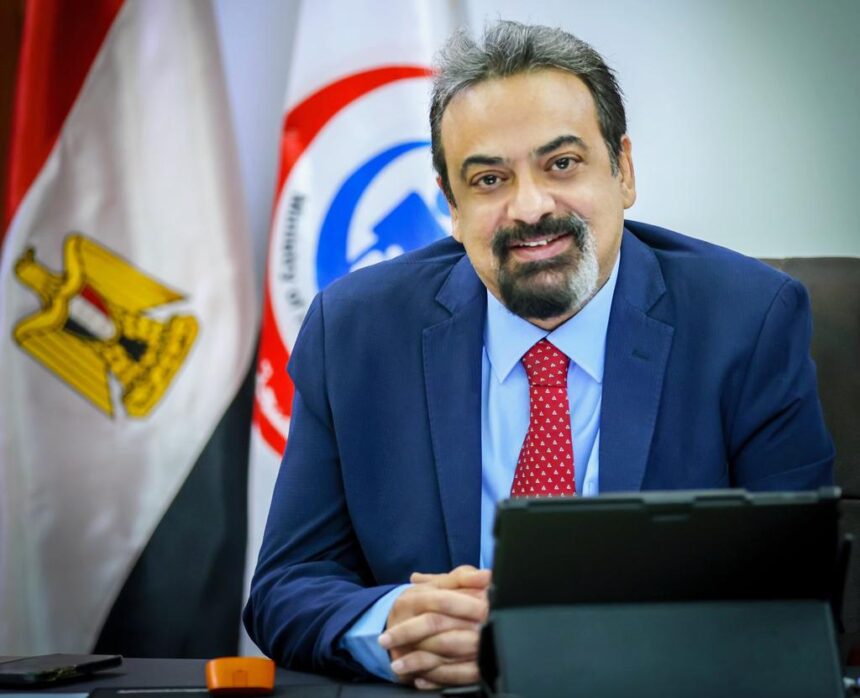
Health ministry spokesperson Hossam Abdel Ghaffar said the achievement reflects the effectiveness of science-based planning backed by strong political commitment, noting that efforts remain ongoing to safeguard public health.
Deputy Health Minister Amr Kandil said Egypt is implementing an integrated plan to strengthen epidemiological and vector surveillance systems, particularly in light of climate-related challenges that could affect disease transmission patterns.
He added that these measures are aligned with World Health Organization targets to reduce malaria incidence and mortality by at least 90%.
According to Radi Hammad, head of preventive medicine, more than 58,000 samples tested under the national surveillance system returned negative results. Authorities also investigated 244 imported cases and screened more than 6,500 contacts, with no evidence of local transmission.
The ministry added that around 19,000 blood samples were tested for filariasis, with no infections recorded. Treatment and follow-up home visits were provided for affected individuals.
Amani El-Habashi, head of tropical diseases, said programmes targeting schistosomiasis and intestinal parasites included testing more than two million samples, with positive cases treated immediately.
She added that preventive campaigns reached more than 90,000 fishermen and their families across 14 governorates, achieving coverage of nearly 96%. Early detection programmes for trachoma also screened more than 814,000 individuals, with treatment provided to those infected.
The ministry said the results reflect a broader national strategy aimed at eliminating endemic diseases while strengthening early detection and prevention systems.