

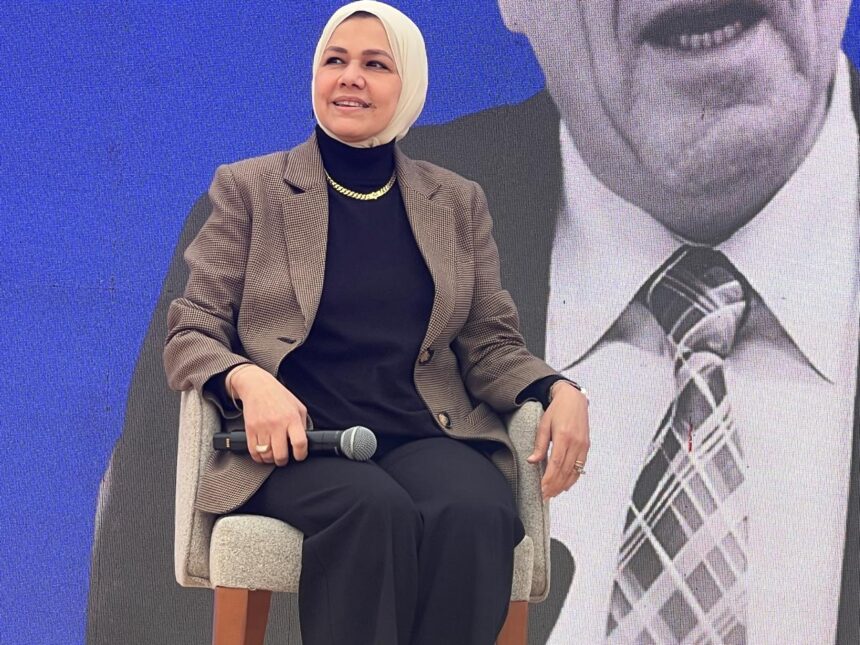
Rasha Abdel Aal, Head of the Egyptian Tax Authority (ETA), announced that the number of entrepreneurs and small and micro enterprise owners joining the simplified tax system since its launch in February 2025 has exceeded expectations, particularly during the final quarter of the last year.
She said the strong uptake reflects rising confidence within the business community in the Authority’s reform-oriented approach.
Speaking on the sidelines of the RiseUp Summit, Abdel Aal explained that registration procedures have been significantly streamlined in line with principles of partnership and facilitation. The objective, she noted, is to support content creators, start-ups and entrepreneurs in integrating into the formal economy and expanding their operations.
She added that the ETA’s participation in specialised events and conferences comes in implementation of directives from the Minister of Finance to deepen dialogue with the business community and improve the investment climate. Such engagements demonstrate the Ministry of Finance and the ETA’s commitment to exchanging expertise and building sustainable partnerships with entrepreneurs, small and micro business owners, e-commerce operators and emerging business leaders.
Abdel Aal emphasised that digital transformation remains a cornerstone of tax policy reform, aimed at establishing a modern tax system that supports growth and investment. She described digitalisation as one of the most significant challenges previously facing the Authority, noting that the ETA has been systematically addressing this since 2018.
Key milestones include the implementation of electronic invoicing and electronic receipt systems, which have enhanced transparency and improved the accuracy of tax base identification. The Authority has also transitioned from traditional audit methods to data-driven, intelligent analytical systems, promoting fairness and fostering more stable relations with taxpayers.
Abdel Aal highlighted the launch of the first package of 20 tax facilitation measures, most notably Law No. 6 of 2025, which introduced a simplified tax regime for entrepreneurs and owners of small and micro enterprises with annual turnover not exceeding EGP 20m.
Under the law, eligible taxpayers are exempt from reassessment for previous years if they were not previously registered in the Authority’s database, with the date of registration treated as a new starting point.
The simplified system applies a proportional income tax based on turnover, ranging from 0.4% for businesses with annual turnover below EGP 500,000 to 1.5% for those with turnover up to EGP 20 million. Participants benefit from a five-year exemption from tax audits.
Additional advantages include quarterly VAT returns instead of monthly filings, annual payroll tax returns, and exemptions from dividend tax, capital gains tax on machinery, equipment and fixed assets, as well as exemptions from the withholding and advance payment system, the state development fee and proportional stamp duty. Registration and payment procedures have also been simplified, eliminating the need for complex accounting records or lengthy tax filings.
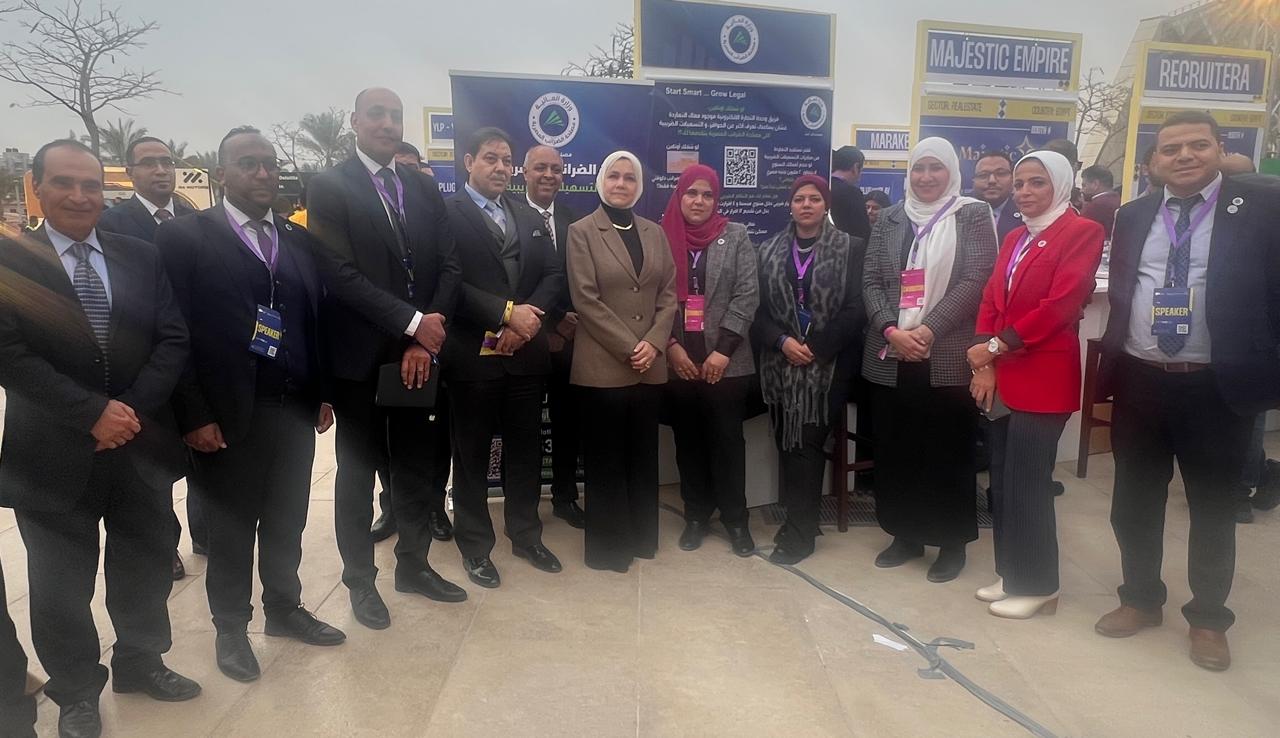
Abdel Aal noted that the Authority’s E-Commerce Unit participated in the summit through a dedicated stand providing services, technical support and on-site responses to enquiries, as part of direct engagement with taxpayers.
Tax return submission, electronic payment and e-invoicing services are available through the Authority’s online portal, alongside detailed guidance manuals tailored to e-commerce businesses, content creators and digital platforms.
Concluding her remarks, Abdel Aal described Egypt as being at a genuine turning point, stressing that taxation remains a primary source of state revenue. She affirmed that the Authority stands fully prepared to provide necessary support to taxpayers, reinforcing principles of partnership, transparency and mutual trust.

