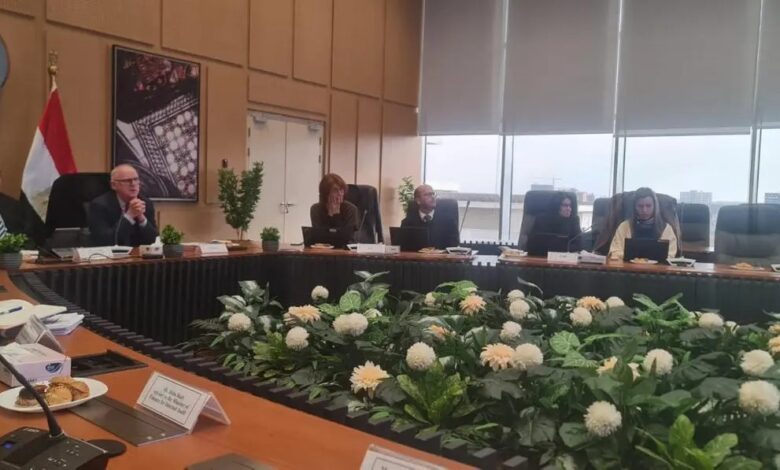
Egypt is seeking to align international development support with state fiscal reform priorities to maximise the effectiveness of technical and financial aid, Deputy Finance Minister for Fiscal Policy Yasser Sobhi said on Saturday. Speaking at the third annual meeting of the Public Financial Management (PFM) coordination committee, Sobhi stated that the ministry is committed to completing its management development path by deepening cooperation with international partners to ensure resources meet the actual needs of the state’s reform plan. This coordination aims to support the implementation of reform efforts, stimulate economic growth, and improve the efficiency of public services and social protection programmes.
The meeting was attended by representatives from the Organisation for Economic Co-operation and Development, the World Bank, the International Monetary Fund, the British Embassy, the European Union, the Swiss State Secretariat for Economic Affairs, and the United Nations Development Programme. During the session, Sobhi reviewed fiscal performance and reforms enacted over the last year, highlighting the first-time application of a medium-term budgetary framework and the shift toward a programme and performance-based system.
The deputy minister noted that the ministry has developed new tools for government debt and fiscal risk management, alongside the introduction of tax facilities and a medium-term fiscal strategy that has improved overall economic indicators. Sobhi reported that Egypt achieved a high growth rate during the first quarter of the current fiscal year and sawan increase in private investment, industrial activity, and exports. He added that tax revenues rose without imposing additional burdens on the business community, contributing to a primary surplus and a reduction in inflation rates.
Participants at the meeting discussed the outcomes of cooperation with international financial institutions between 2023 and 2025 and established objectives for the upcoming year to avoid the duplication of activities. Sobhi explained that the ministry’s future priorities include expanding digital transformation and the use of Artificial Intelligence in public financial management to improve data-driven decision-making and sustainability.
The ministry is also working to complete the implementation of gender and climate-responsive budgeting, internal auditing, and government procurement reforms. Sobhi concluded by emphasising the importance of enhancing communication with citizens through simplified fiscal reporting to ensure transparency regarding the state’s financial objectives.