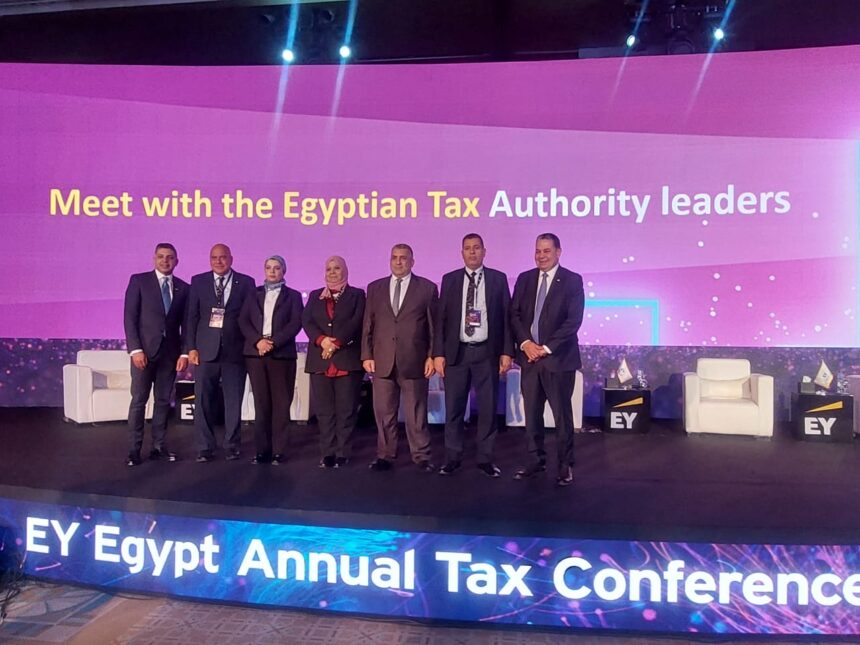
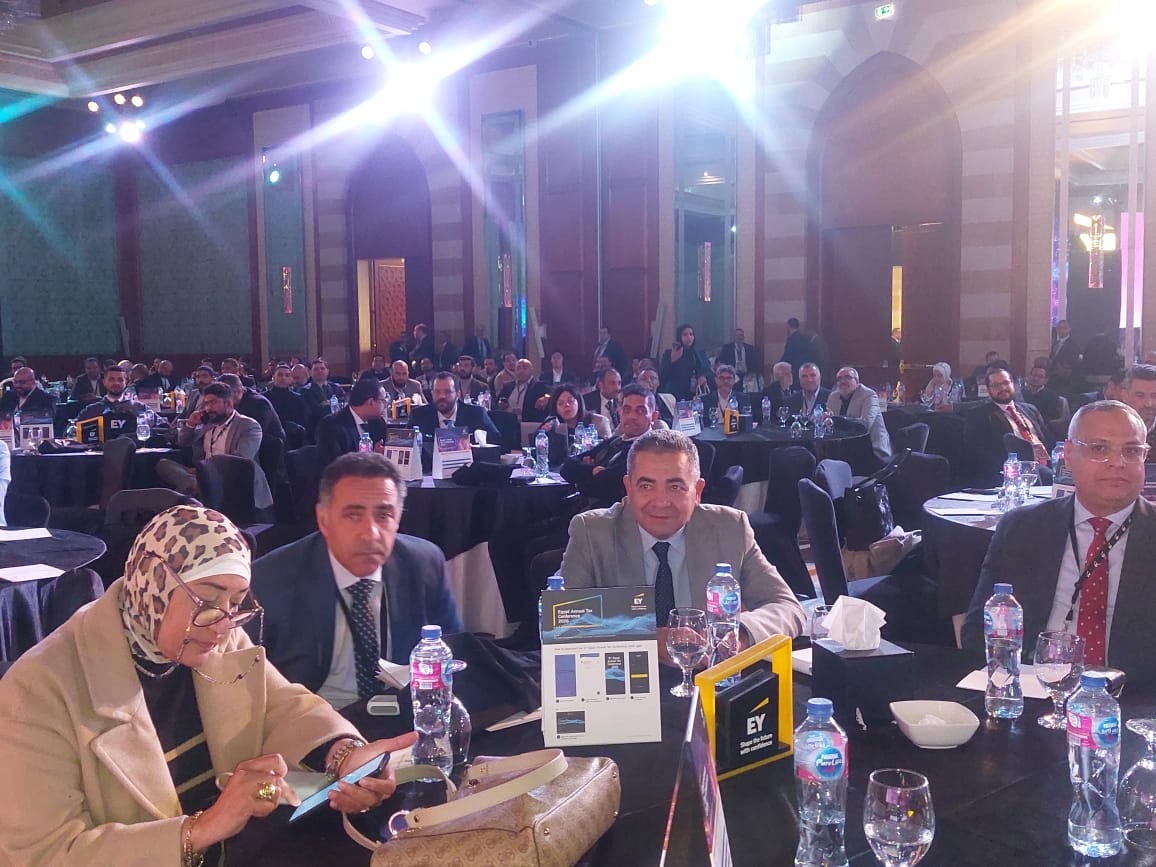
The Egyptian Tax Authority (ETA) recently participated in the annual tax conference hosted by Ernst & Young (EY) Egypt, a forum dedicated to exploring the latest shifts in tax policy. The event highlighted ongoing efforts to modernise Egypt’s fiscal framework and evaluated the resulting impact on investment appetites and national economic growth.
Rasha Abdel Aal, Head of the ETA, underscored the vital importance of engaging in specialised dialogues that unite tax authorities with the broader business community. Such platforms are essential for strengthening communication channels and showcasing state-led initiatives to refine the investment climate. Abdel Aal remarked that these ongoing consultations reflect the Authority’s commitment to exchanging technical expertise, fostering private-sector partnerships, and advancing comprehensive tax reforms in line with Ministry of Finance directives.
Ragab Mahrous, Advisor to the Head of the ETA, detailed the second package of tax facilitation measures, which rests on the dual pillars of procedural enhancements and legislative amendments. A cornerstone of this package is the renewal of the Tax Dispute Resolution Law, which is critical for clearing the backlog of outstanding cases since the previous legislative term concluded in mid-2025.
Furthermore, Mahrous confirmed that new legislation would permit recent tax periods to utilise the lump-sum tax system established under Law No. 30 of 2023. This aligns with existing mechanisms for small-scale projects, allowing entities with revenues below EGP 20m to access incentives provided by the Small Projects Law starting from 2025.
To stimulate the capital markets, Mahrous noted a shift in the tax treatment of listed securities, where transactions will now be subject to stamp duty rather than capital gains tax. This move is designed to simplify accounting and encourage institutional investment. Additionally, in coordination with the Financial Regulatory Authority, companies listing on the stock exchange may receive tax incentives for an initial three-year period. These benefits are tied to performance indicators such as trading volume and expansion, with the potential for a further three-year extension based on verified growth and valuation metrics to ensure clear economic outcomes.
Ashraf El-Zayat, Head of the Tax Audit Sector, emphasised that the Ministry of Finance is pivoting toward a relationship with the business community based on mutual trust and partnership. A key priority is the integration of an accelerated VAT refund system, aimed at increasing the volume of processed cases to ensure faster capital turnover for businesses. El-Zayat described the activation of the central clearing system as a qualitative leap, establishing rigid timelines and clear procedural mandates for all state entities to complete clearing procedures and transfer dues within a maximum of 20 days.
The legislative agenda also includes targeted VAT adjustments to support social goals, such as reducing the rate on medical devices from 14% to 5% and exempting components for dialysis machines entirely. To achieve greater fiscal fairness, household soaps and industrial detergents have transitioned to the standard 14% VAT rate, which crucially allows manufacturers to deduct all production inputs in line with international best practices. Soheir Hassan, Head of the First Large Taxpayers Centre, added that the second facilitation package leverages digital transformation to reduce administrative burdens. A significant milestone is the upcoming launch of a mobile application for real estate transactions, allowing citizens to calculate liabilities, upload contracts, and pay taxes remotely without visiting a tax office.
The Authority is also expanding its physical infrastructure through distinguished tax service centres in New Cairo, New Alamein, and Sheikh Zayed. These hubs will provide high-speed processing and specialised support for all categories of taxpayers. Furthermore, the introduction of the Tax Excellence Card will reward compliant taxpayers with fast-track service channels and priority access to advance ruling units, dedicated investor support desks, and accelerated refund procedures. Finally, Afaf Ibrahim, Assistant to the Head of the ETA, addressed the complexities of international taxation, noting that efforts are underway to separate transfer pricing audits from standard commercial audits to ensure a more technical and effective application of the law.