

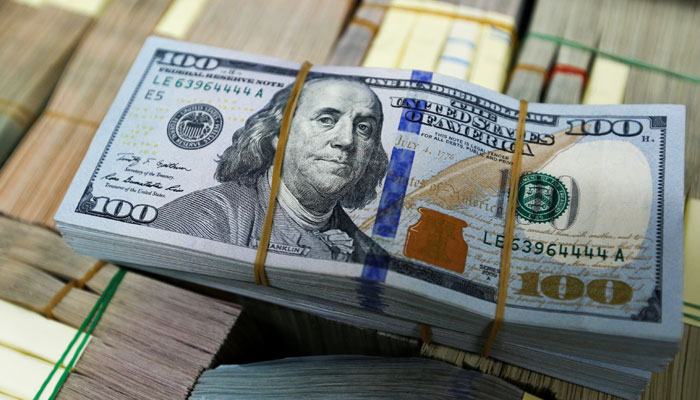
The Central Bank of Egypt (CBE) announced that the country’s net international reserves increased to $50.215bn in November 2025, up from $50.071bn in October, a rise of $144.4m.
The CBE noted that gold holdings within the reserves climbed to $17.252bn in November, compared to $16.545bn the previous month, marking an increase of $798m. Meanwhile, the value of foreign currencies in the reserves declined to $32.905bn, down from $33.350bn in October, a drop of $445m. Holdings of Special Drawing Rights (SDRs) also fell to $61m, from $179m, reflecting a decrease of $118m.
Egypt’s foreign exchange reserves comprise a basket of major international currencies, including the US dollar, euro, pound sterling, Japanese yen, and Chinese yuan. The allocation of these holdings is determined by exchange-rate movements and the relative stability of each currency in global markets, and is adjusted according to a strategy set by CBE officials.
The primary role of the reserves, made up of gold and foreign currencies, is to secure essential imports, meet external debt obligations, and provide a buffer during economic shocks, particularly when foreign-currency-generating sectors come under pressure.
Global ratings agency Fitch has projected that Egypt’s reserves will reach $52.6bn by the end of the current fiscal year, after hitting a record $50.1bn in October.
In a recent report, Fitch noted a significant uptick in portfolio investment since last August, driven by attractive yields, which has supported the pound’s improved performance against the US dollar. The agency expects the pound to maintain its strong trajectory into 2026, highlighting that net foreign assets in the banking sector reached their highest level since February 2020 as of October 2025.
While Fitch anticipates further interest-rate cuts by the CBE in the coming months, it said Egyptian bond yields are likely to remain appealing to investors.
“The improvement in the external sector will persist,” the agency added. “The current account deficit is expected to narrow to 3% of GDP in 2025/2026, supported by higher exports of goods and services and robust remittances from Egyptians working abroad.”


