

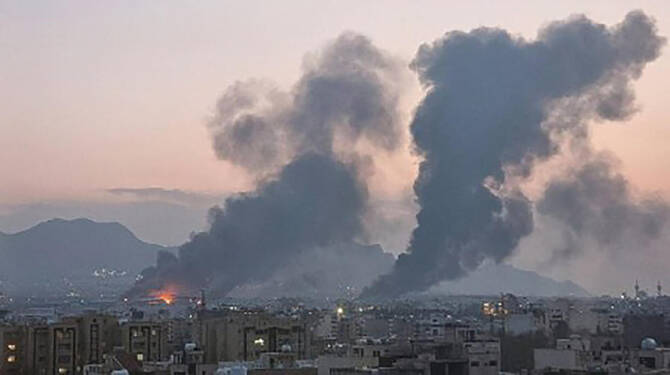
Egypt has condemned “sinful” missile strikes on Gulf energy infrastructure in Qatar and Saudi Arabia, which were launched on Wednesday as Iran retaliated for an Israeli attack on its South Pars natural gas field.
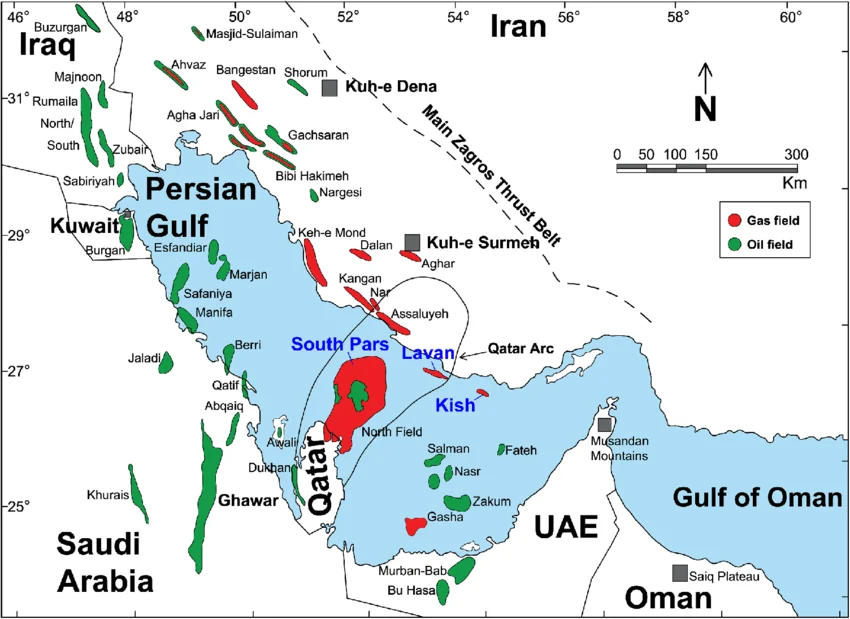
Iranian state media reported that Israel targeted the South Pars field—a pillar of Iran’s energy supply and part of the world’s largest gas resource—near Asaluyeh on Wednesday. With facilities at the site left burning, Tehran vowed to strike energy infrastructure in neighbouring Gulf countries in response, despite Saudi Arabia, Qatar, Oman, Iraq, and the United Arab Emirates not taking part in US-Israeli operations.
 The escalating conflict has dealt a massive energy shock to the global economy, choking off crude oil and liquefied natural gas exports through the Strait of Hormuz.
In Qatar, the state-owned QatarEnergy confirmed that Ras Laffan Industrial City was hit by missile attacks on Wednesday evening. While emergency teams contained the resulting fires, the company reported “extensive damage” to the facility. All personnel were accounted for, and no casualties have been reported at the site.
In Saudi Arabia, the country’s civil defence confirmed that four residents were injured by shrapnel after a ballistic missile was intercepted over a residential area in Riyadh. The Saudi defence ministry stated that a total of four missiles targeting the capital were destroyed today, though a fragment from one interception landed near a refinery south of the city.
The Egyptian Ministry of Foreign Affairs, led by Badr Abdelatty, issued a statement condemning the “reprehensible” and “unjustified” targeting of civilian and energy infrastructure. Cairo warned that these attacks directly threaten regional stability and global energy security.
The ministry specifically condemned the targeting of both the Ras Laffan facilities and the South Pars field, noting that the latter represents a geographic extension of Qatar’s North Field. Egypt characterised the strikes as a flagrant violation of international law and the United Nations Charter, which prohibits the targeting of vital economic and civilian installations.
Egypt also highlighted the severe environmental risks posed by such attacks and warned of the “negative reflections” on the international economy and the welfare of people worldwide. The statement renewed Cairo’s call for “the supremacy of reason and dialogue” to contain the military escalation and support regional and international security.

