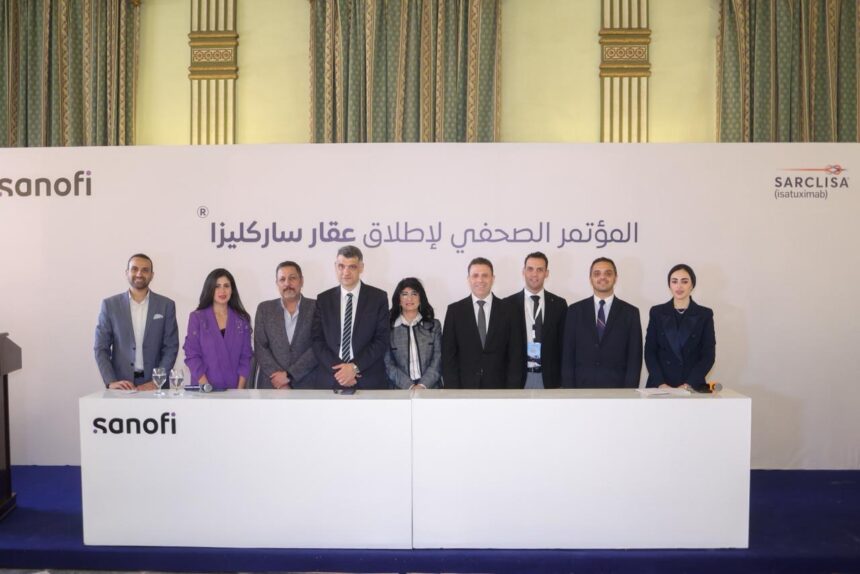
A new treatment option for patients living with multiple myeloma has become available in Egypt following the launch of Sarclisa, marking a significant development in the management of one of the most common forms of blood cancer.
The treatment is indicated for two main patient groups: individuals newly diagnosed with multiple myeloma who are not eligible for bone marrow transplantation, and patients whose disease has relapsed or become resistant to previous therapies. Its availability in the local market expands access to advanced therapies for Egyptian patients facing limited options, particularly in later stages of the disease.
Professor Dr. Gamal Fathy, Professor of Hematology and Bone Marrow Transplantation at Nasser Institute, said multiple myeloma is the second most common blood cancer globally, with incidence rates continuing to rise. He noted that many patients are diagnosed only after developing serious complications, including bone pain, anemia, high calcium levels in the blood, and kidney impairment, underscoring the importance of early detection and timely diagnosis.
Despite notable progress in treatment over recent years, Dr. Fathy explained that multiple myeloma remains incurable. Advances in therapy have helped extend progression-free and overall survival, but repeated relapses continue to impose heavy physical, emotional, and financial burdens on patients and their families. He added that the past decade has seen a shift from limited treatment options toward targeted and innovative therapies, offering patients renewed and more realistic hope.
Professor Dr. Mohamed Abdel Moaty, Professor of Oncology and Hematology at the National Cancer Institute, Cairo University, described the introduction of new targeted treatments as an important step forward for multiple myeloma care in Egypt. He said the availability of such therapies for both transplant-ineligible patients and those with relapsed or refractory disease represents a meaningful advance in clinical practice.
Dr. Abdel Moaty also highlighted Egypt’s progress in updating national treatment protocols and improving access to innovative medicines through collaboration between the Ministry of Health, universities, and specialized hospitals. These efforts, he said, reflect a broader commitment to delivering internationally recognized standards of care that improve survival outcomes and quality of life.
During the launch event, Mohamed Zaatar, Commercial Head of Sanofi Egypt, attended on behalf of Adrien Delamare-Deboutteville, Africa Pharma Country Lead and General Manager of Sanofi Egypt. Zaatar said the introduction of the new treatment represents a key milestone in efforts to improve outcomes for people living with multiple myeloma, expressing pride in making the therapy accessible to patients in Egypt.
Dr. Marwan El-Bagoury, Acting Medical Head of Pharma for Africa at Sanofi, said the launch reflects the company’s ongoing commitment to bringing innovative treatments to the Egyptian market. He added that expanding patient access to advanced therapies is a central pillar of the company’s mission, noting ongoing collaboration with healthcare stakeholders to ensure availability alongside comprehensive patient support programs.
The launch is expected to support physicians with additional therapeutic options and contribute to improving the quality of life for patients affected by multiple myeloma across Egypt.