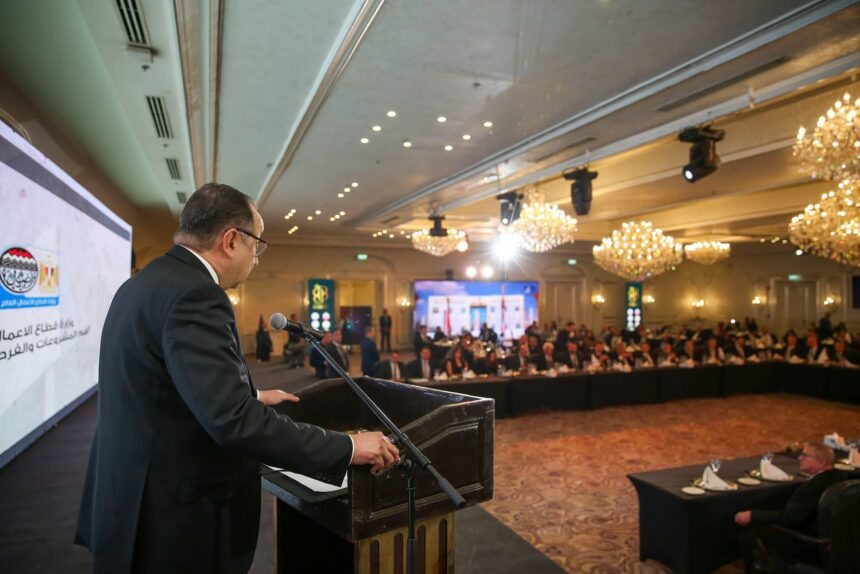
Mohamed El-Shimy, Minister of the Public Enterprises Sector, presented the portfolio of companies affiliated with the ministry and reviewed their financial performance over the past decade during his participation in the Afro-Asian Investors Union Forum.
He said the forum represents a vital platform for strengthening historic ties and opening new horizons for investment cooperation and partnership between African and Asian countries. El-Shimy added that deeper investment integration between the two continents is a cornerstone for achieving sustainable development and accelerating economic growth amid ongoing global challenges.
The minister stressed that the Egyptian state places strong emphasis on expanding joint investment opportunities and building effective strategic partnerships based on mutual benefit. He explained that companies affiliated with the Ministry of Public Enterprises Sector constitute a key pillar of the national economy, encompassing eight holding companies operating in the metallurgical, chemical, pharmaceutical, textile, tourism, hotel and construction sectors. These holdings supervise 63 subsidiary companies, in addition to stakes in 106 joint-venture firms active across a wide range of productive and service industries.
El-Shimy noted that this framework aligns with Egypt Vision 2030, the Government Action Programme and the State Ownership Policy Document, ensuring coherence between public-sector reform and national development objectives.
He outlined the ministry’s ongoing comprehensive reform programmes aimed at improving corporate performance, modernising management systems, expanding private-sector participation, and keeping pace with technological advances. These efforts, he said, are being implemented in line with international standards for quality, sustainability, occupational safety and health, governance and human-capital development. The overarching objective is to maximise returns on state investments, enhance companies’ contribution to GDP, and strengthen their competitiveness at both local and international levels.
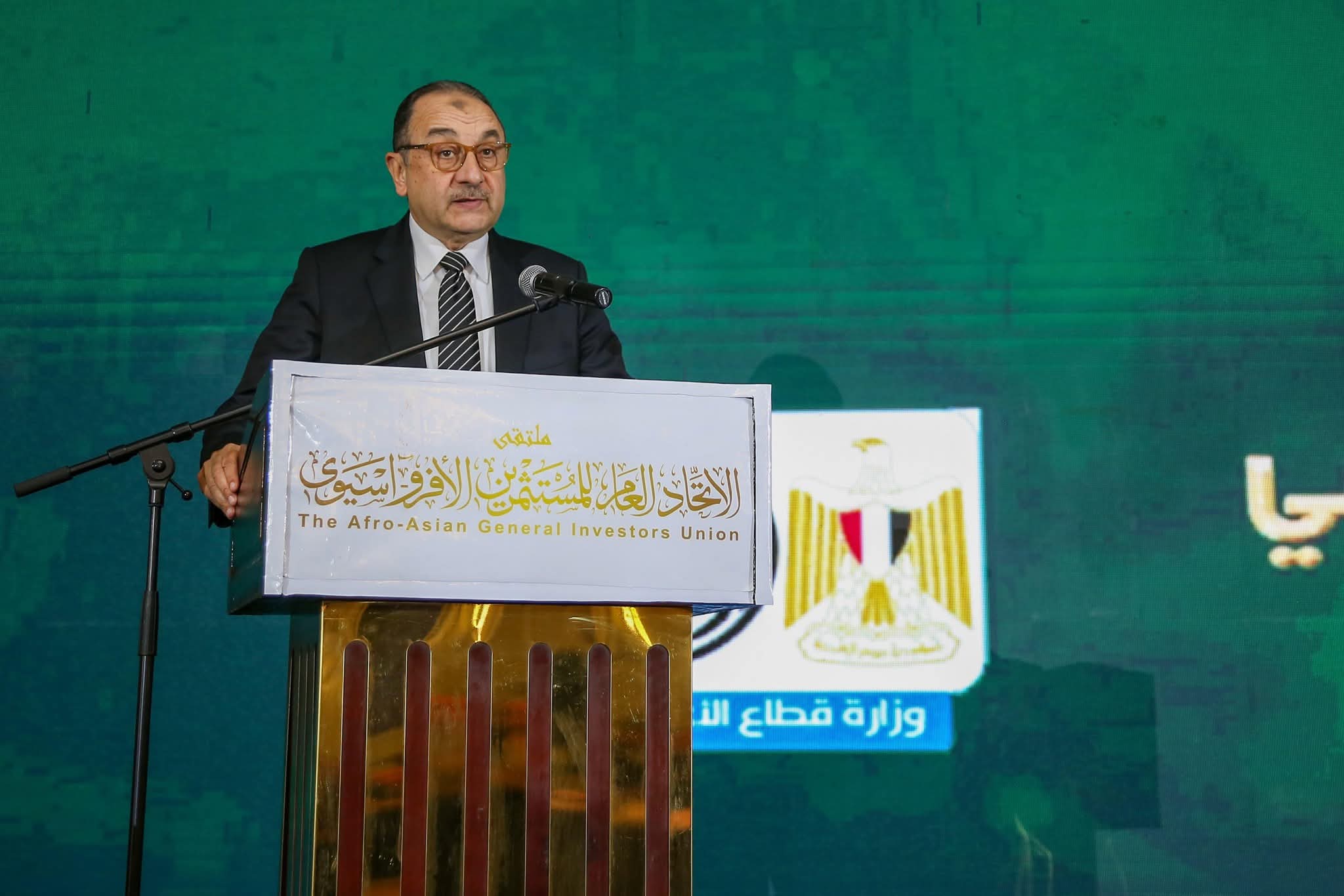
According to the minister, these reforms have already delivered tangible results, with a marked improvement in financial performance driven by restructuring, technical and administrative modernisation, more efficient asset utilisation and higher operational productivity.
El-Shimy highlighted a broad pipeline of investment and partnership opportunities with domestic and international private investors. In the metallurgical industries, projects include expanding the Nagaa Hammadi Aluminium Complex by 300,000 tonnes, establishing a new aluminium smelter with an annual capacity of 600,000 tonnes, developing an alumina refinery with a capacity of 2 million tonnes per year, and launching value-added projects such as car wheel rims and aluminium foil. Additional initiatives include a solar-glass production unit at El-Nasr Glass and Crystal Company and a seamless-pipe production line at El-Nasr Pipes Company.
In the chemical industries, opportunities cover the second phase of Delta Fertilizers’ development plan, involving upgrades and capacity expansion for ammonia and urea plants, a kaolin calcination project, and the development of Abu Zenima Port, operated by Sinai Manganese Company.
The pharmaceuticals and medical supplies sector features projects to localise the production of biological products at Nile Pharmaceuticals, including insulin and biosimilar alternatives, alongside a dry-powder inhalation line at the Arab Company for Pharmaceuticals, hormone-manufacturing localisation at CID Pharma, and local production of active pharmaceutical ingredients at El-Nasr Pharmaceutical Chemicals Company.
In the textile sector, which is undergoing a nationwide modernisation programme across seven governorates, investment opportunities include establishing an integrated denim-fabric industrial complex at Damietta Textiles Company and a knitted-garment manufacturing facility at Dakahlia Textiles Company.
The tourism and hospitality sector also offers multiple prospects, including the development of a tourist resort in Marsa Alam, the rehabilitation of the historic Continental Hotel in downtown Cairo, the Dahab Camp project, the conversion of the Misr Tourism Tower into a mixed administrative-hotel facility, and the utilisation of several high-value commercial assets in hospitality activities.
El-Shimy also reviewed urban-development opportunities within the construction and housing portfolio. These include developing the green zone and recreational services in New Heliopolis City, operated by Heliopolis Housing and Development Company, as well as integrated residential, administrative and commercial projects by El-Nasr Housing and Development Company in Mokattam, Joseph Tito Avenue and along the Maadi Corniche. Additional projects encompass land reclamation, cultivation and livestock production initiatives in Toshka.
The minister reaffirmed the ministry’s commitment to providing all necessary facilitation and support to investors interested in these projects, describing private-sector partnership as a strategic pathway to achieving sustainable economic development and strengthening regional economic integration.