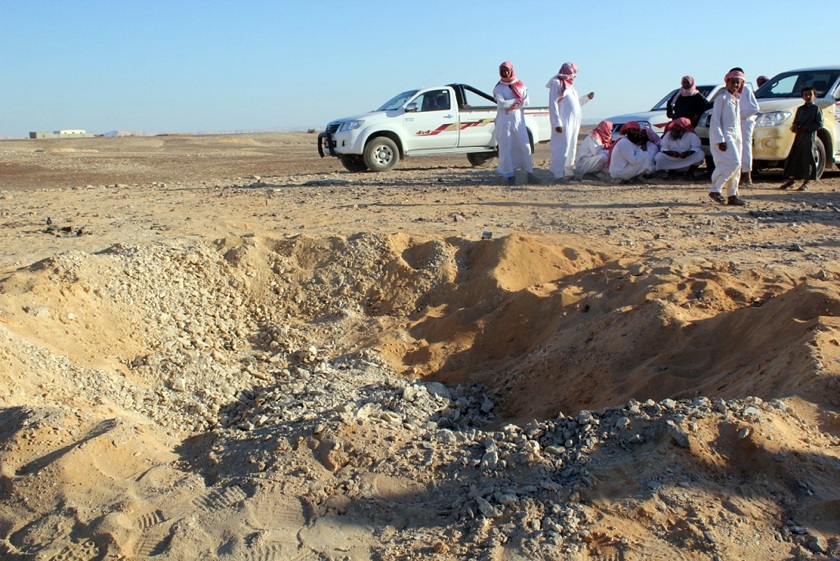
An Egyptian archaeological mission has uncovered several rock-cut tombs featuring different architectural designs at the Tel Al-Yahudiya archaeological site in Qalyubeya, alongside additional remains of a Roman camp in the upper layers of the site.
The discovery provides new evidence of burial practices in the eastern Nile Delta, where rock-cut tombs are relatively rare due to the region’s clay-rich soil.
Hisham El-Leithy, Secretary-General of the Supreme Council of Antiquities, said the newly discovered tombs date to the late New Kingdom and continued to be used through the Late Period, based on archaeological evidence and artefacts uncovered during the excavations.
He noted that the tombs are significant not only for their architectural diversity but also because such structures are uncommon in the Delta. Their discovery could contribute to a better understanding of the development of burial practices in the eastern Delta across different historical periods.
The mission also continued excavations of a Roman camp located in the upper layers above the rock-cut tombs. El-Leithy said the remains indicate that the area continued to be used during later historical periods, highlighting the site’s strategic importance over time.
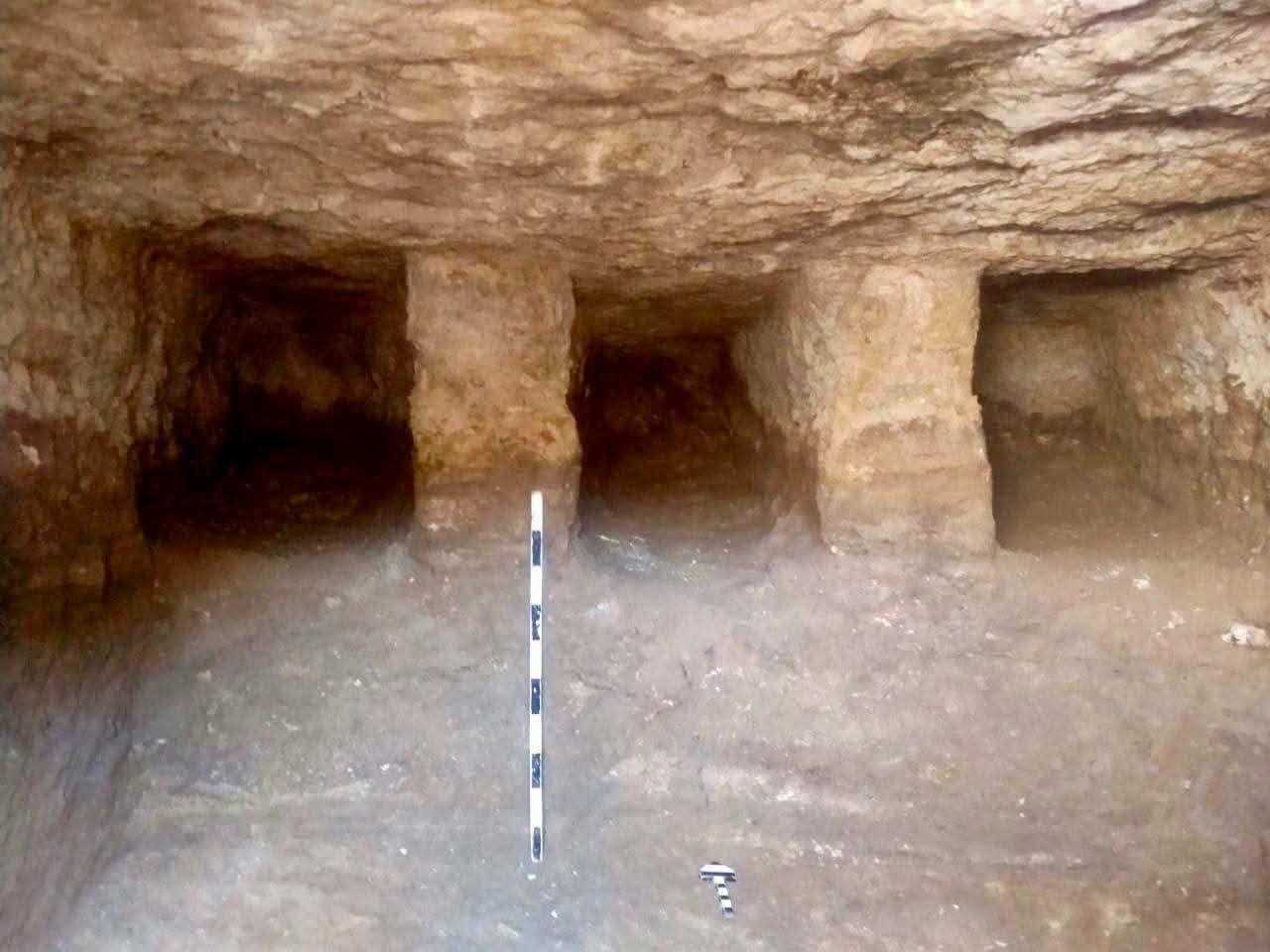
Ayman Ashmawy, adviser to the Secretary-General of the Supreme Council of Antiquities, said the tombs fall into two main architectural types.
The first type features a staircase leading to a hall containing burial niches, while the second consists of a rectangular shaft leading to two burial chambers.
According to Ashmawy, such rock-cut tombs are uncommon in the Delta because of its predominantly clay soil. Other known examples include tombs at Kom El-Shoqafa in Alexandria and archaeological sites along the North Coast.
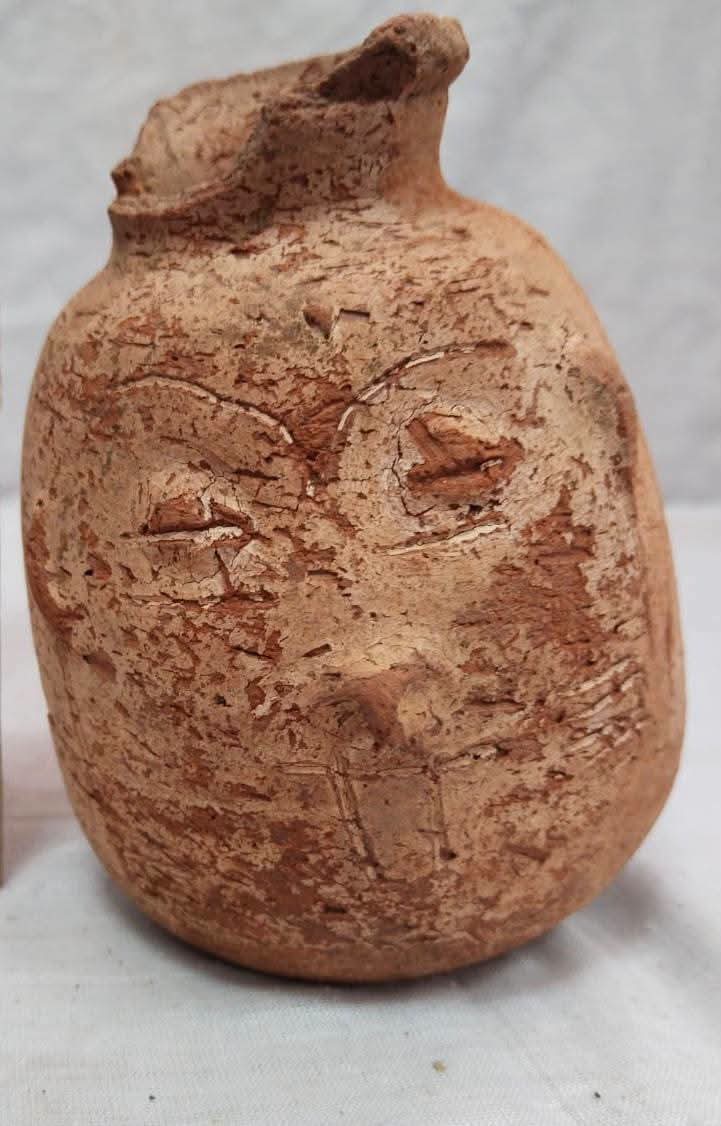
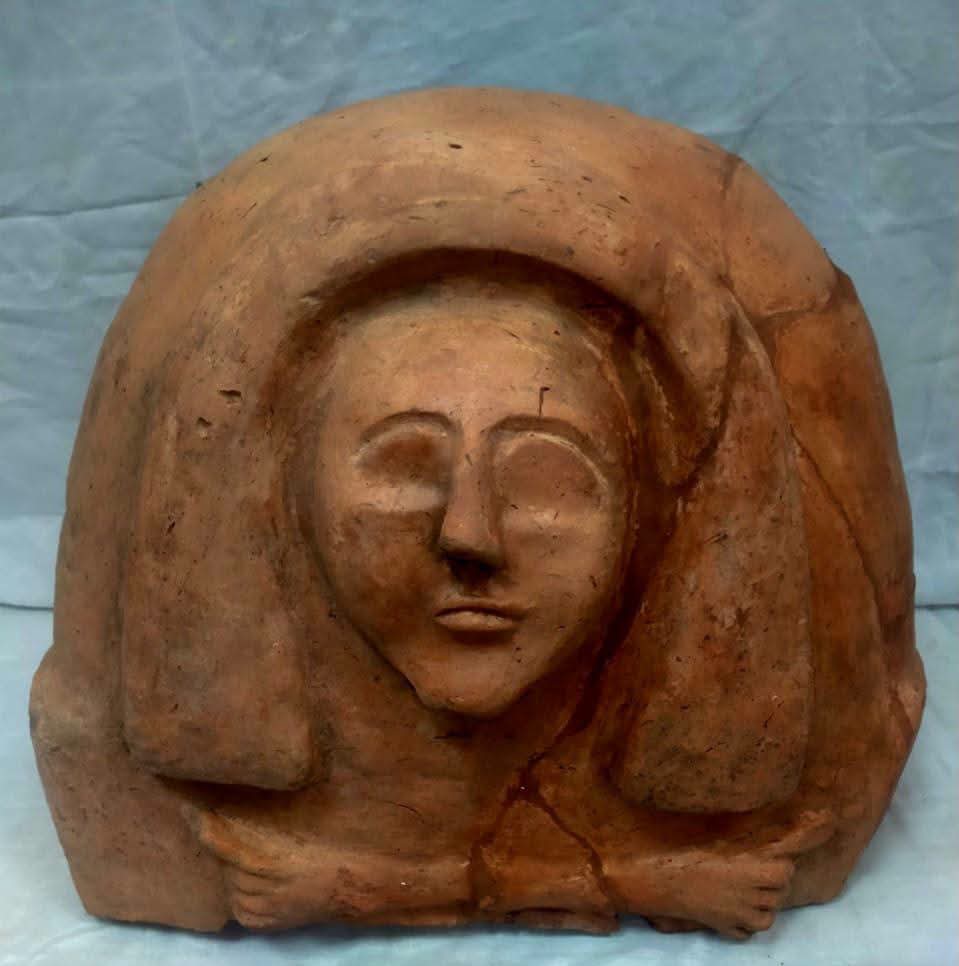
Anwar Abdel Samad, Director General of the Qalyubeya Archaeological Area and head of the mission, said the excavations also yielded a number of artefacts associated with the tombs. These finds helped researchers establish their chronology and determine the periods during which the tombs were used.
The mission is continuing excavations at the site to uncover further remains of the Roman camp.
Tel Al-Yahudiya is primarily associated with the Hyksos period, when the area hosted a large camp. Archaeological evidence also indicates that the site continued to be used during the Greek and Roman periods.