

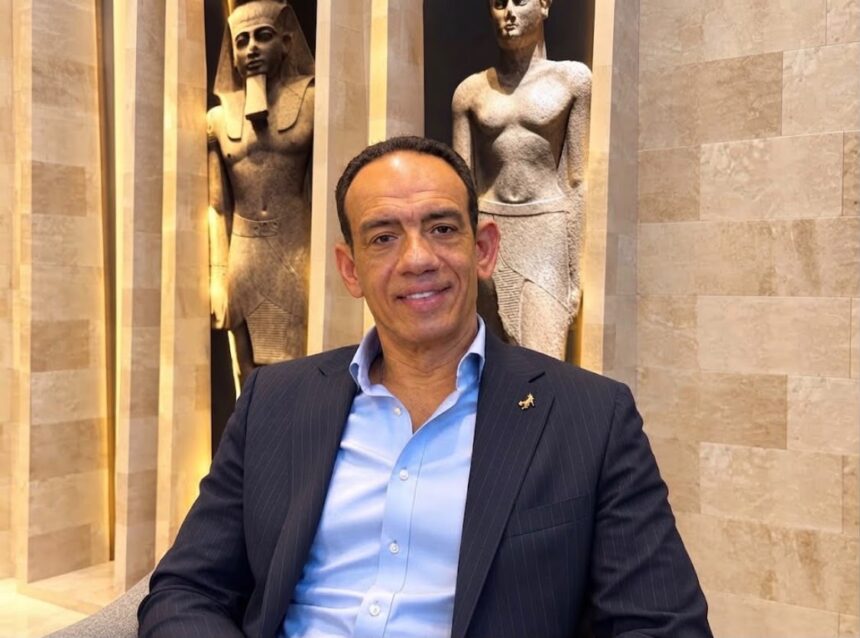
Egypt’s participation in the Arabian Travel Market (ATM) in Dubai remains important despite ongoing political and security developments in the region, according to Haitham Arafa, Board Member of the Egyptian Travel Agents Association (ETAA) and Head of its Training Committee.
Arafa said that Egypt’s absence from the international tourism exhibition could have affected its presence in key source markets, particularly Arab markets.
Arafa added that postponements and changes surrounding the exhibition had affected participation levels and exhibition space, with some areas being used for public events instead of the usual exhibitor setups.
He noted that repeated postponements since April were largely linked to regional developments, adding that holding the next edition in April could create additional challenges for participating companies because of the short interval between the two editions and the large number of other tourism exhibitions scheduled in Europe and the UK.
Arafa said maintaining Egypt’s presence at the Dubai exhibition remains important even if participation is smaller than in previous editions, as the market continues to be a source of inbound tourism for Egypt.
Egypt has opportunities to increase its share of Arab tourism, although competing destinations such as Saudi Arabia and Jordan already have a strong presence in regional markets, he said.
According to Arafa, tourism from long-haul markets such as the US and Australia could also benefit Egypt, as travellers often combine several destinations during a single trip.
He noted that tourists visiting countries such as Saudi Arabia or the UAE could potentially add Egypt to their itineraries, given the country’s archaeological, historical, and beach tourism offerings.
Arafa indicated that flights bringing tourists to Egypt through Dubai and Qatar are still operating, but have declined significantly amid heightened uncertainty and geopolitical tensions in the region.
A significant portion of tourism traffic from Asian markets passes through the Gulf, he said, meaning continued instability could influence travellers’ decisions to visit the region as a whole and, indirectly, affect tourism flows to Egypt.
On training, Arafa noted that Egypt’s tourism sector has developed capabilities to serve Arab and European visitors, but labour shortages remain among its main challenges.
He concluded that existing training programmes are focused on improving the skills of workers already employed in the sector. However, attracting more young people to tourism remains a bigger challenge, as a significant number of young Egyptians remain reluctant to work in the sector, which they perceive as offering limited job stability.


