

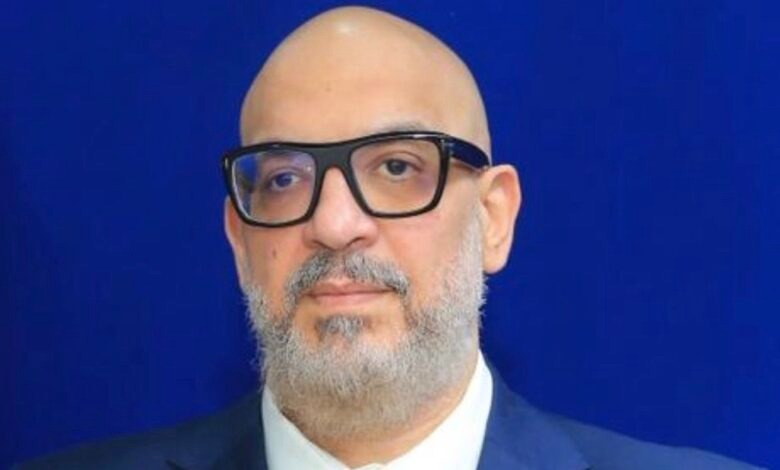
Ahmed Elbatrawy, CEO and Founder of Egyptian Real Estate Platform, said the future of Egypt’s real estate market is closely tied to the sector’s ability to adopt technology and apply it effectively, stressing that digital transformation could help position real estate as one of the country’s strongest sources of economic growth.
Elbatrawy added that technology should not be viewed as a threat to market participants, but rather as a tool to improve transparency, protect stakeholders, and establish a more structured, data-driven real estate market.
He explained that effective technology adoption could help organize and monitor key aspects of the market, including real estate transactions, delivery schedules, contractual obligations, market data, disputes, and tax-related information.
Elbatrawy called for the establishment of a national identification system for real estate assets, alongside an MLS ID for each property unit and market participant, including developers, brokers, banks, and insurance companies.
He also advocated mandatory escrow accounts, standardized contracts, verified data, and a unified digital system connecting the main stakeholders across the real estate ecosystem—developers, brokers, banks, insurers, and government authorities.
According to Elbatrawy, such a system should also be capable of linking Egypt’s real estate market with international markets through globally recognized standards and systems.
He disclosed that the Egyptian Real Estate Platform has already developed what he described as a global digital framework designed to facilitate international connectivity, noting that millions of dollars have been invested in its development.
Elbatrawy emphasized that the role of the Egyptian Real Estate Platform should extend beyond that of a traditional property listing website or portal. Instead, he described it as digital infrastructure for the real estate sector, based on a verified and internationally compatible system that can support a more transparent and organized market.
Such infrastructure could facilitate interactions between property buyers, investors, financial institutions, insurance companies, developers, and international markets through standardized rules and verified data.
Elbatrawy noted that Egypt’s efforts to increase real estate exports require stronger domestic market regulation and greater integration with international markets. He explained that real estate exports go beyond marketing Egyptian projects abroad and require a comprehensive framework covering verified data, standardized practices, investor protection, financing, insurance, and transparency.
He stressed that international integration should be based on globally recognized and interoperable systems rather than isolated local platforms, enabling Egyptian real estate projects to reach a wider pool of international investors and buyers.
Elbatrawy pointed out that responsibility for establishing market rules and regulatory frameworks should remain with the state as the market’s regulator and policymaker, rather than developers, brokers, or other stakeholders with direct commercial interests.
He described developers as essential partners in Egypt’s urban development, with their primary role focused on development, construction, execution, and timely delivery in accordance with established regulations.
He concluded that clearly defining the roles of the government, developers, brokers, and other market participants would contribute to a more disciplined and transparent real estate sector, while strengthening Egypt’s ability to compete regionally and globally.


