

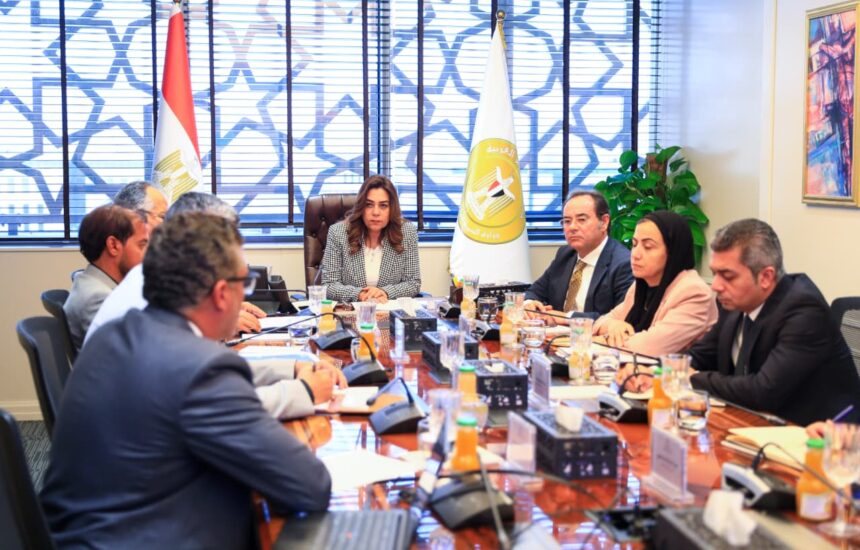
Egypt is developing a new management model for Nabq Nature Reserve in South Sinai that aims to combine environmental protection with sustainable tourism investment through closer cooperation between the public and private sectors, Environment Minister Manal Awad said.
Awad chaired a meeting with the Green Sharm project team and representatives of an investment company to review the proposed “Nabq Integrated Investment and Tourism Management Model,” which the ministry said could later be replicated across other protected areas in Egypt.
The minister said the model is designed to address existing gaps in the management of Egypt’s protected areas by establishing an integrated destination management system that balances ecosystem conservation, community participation and responsible private investment.
“Nabq offers an ideal setting for this approach because of its exceptional environmental value,” Awad said, noting that the reserve is home to unique marine and desert ecosystems, mangrove forests, coral reefs and rich biodiversity.
She added that the proposal would shift management from a traditional conservation-focused approach to a more integrated system capable of generating long-term economic and social value while safeguarding the reserve’s natural assets.
According to the ministry, the model envisages the establishment of a single destination management entity responsible for coordinating tourism, environmental protection, investment and community development under a unified strategy.
The framework would preserve government oversight through the Egyptian Environmental Affairs Agency (EEAA), which would retain responsibility for environmental regulation, licensing and the approval of investment plans, while providing the private sector with greater operational flexibility.
Officials said the model also places local communities at the centre of tourism development by integrating them into tourism value chains, creating sustainable employment opportunities and ensuring they benefit directly from eco-tourism activities.
The meeting reviewed a three-phase implementation roadmap. The first phase focuses on institutional development and infrastructure upgrades over the first two years, alongside quick-impact projects such as eco-lodges, visitor facilities and guided nature tours.
The second phase would concentrate on attracting larger-scale investments and expanding community development programmes, while the final phase aims to achieve financial sustainability and position Nabq as an internationally recognised eco-tourism destination.
Awad said the model is expected to deliver environmental benefits by providing sustainable financing for conservation activities and promoting lower-carbon tourism operations, while creating jobs, improving local livelihoods and diversifying Egypt’s tourism offering.
She added that the Nabq model could serve as a blueprint for other protected areas across the country, helping establish a national network of protected areas that successfully combines biodiversity conservation with sustainable economic development.
The minister also called for finalising the legal framework governing the model, enhancing transparency through a smart digital platform to monitor environmental and financial performance, and developing a unified international brand to promote Egypt’s eco-tourism destinations.


